



Latest Blogs
Get the latest about holistic mind and body wellness, straight from our blog.
Cultural influences on gambling behavior around the world
Cultural influences on gambling behavior around the world
Historical Context of Gambling
Gambling has a long and storied history that transcends cultures and societies, evolving from simple games of chance to complex systems involving vast sums of money. In ancient civilizations, such as those in Mesopotamia and China, gambling was often linked to rituals and belief systems, influencing its acceptance. For instance, the ancient Chinese played a rudimentary form of gambling with tiles as early as 2300 BC, showcasing how gambling intertwined with cultural norms and practices. In exploring various options, you might also consider various uk sports betting sites that are available today.

As societies evolved, so did the perceptions of gambling. In medieval Europe, gambling was sometimes viewed through the lens of morality, leading to various prohibitions and restrictions. The Church held significant influence, often condemning gambling as a vice. Conversely, in places like the Roman Empire, it was integrated into social gatherings, revealing the duality in attitudes towards gambling based on social and cultural contexts.
Today, historical contexts play a pivotal role in shaping contemporary attitudes toward gambling. Countries like Italy and France embrace gambling as a national pastime, with casinos and betting shops deeply embedded in local culture. In contrast, regions where religious beliefs strongly oppose gambling continue to impose restrictions, influencing not just laws but also public perception. Understanding this historical backdrop is crucial to grasping the multifaceted nature of gambling behavior worldwide.
Regional Variations in Gambling Practices
The diversity of gambling practices across different regions is a reflection of local culture, traditions, and legal frameworks. In Las Vegas, for instance, the vibrant casino culture is synonymous with entertainment, attracting millions annually. The approach to gambling here is often seen as a recreational activity, supported by a plethora of legal regulations aimed at consumer protection and responsible gambling.
In stark contrast, certain Middle Eastern countries maintain strict prohibitions against gambling, rooted in religious doctrines. For example, in nations like Saudi Arabia, gambling is considered sinful, leading to severe penalties for those caught engaging in such activities. This dichotomy illustrates how cultural influences shape not just the legality of gambling, but its acceptance and practice in day-to-day life.
Moreover, some regions, such as parts of Asia, have unique gambling practices steeped in tradition. In countries like Japan, the pachinko industry represents a blend of gambling and entertainment, where players engage with machines that provide both skill and chance components. This cultural integration highlights how gambling can vary widely based on regional identity and collective historical experiences.
Impact of Technology on Gambling Behavior
The advent of technology has transformed gambling behavior across the globe, making it more accessible than ever before. Online gambling platforms and mobile applications have democratized access to various forms of betting, allowing individuals to engage in gambling from the comfort of their homes. This accessibility has led to an increase in participation, as traditional barriers to entry are diminished.
Cultural perceptions of technology and innovation also play a significant role in this shift. In Western societies, the acceptance of online gambling has been relatively rapid, with significant investments in marketing and regulatory frameworks to protect consumers. Meanwhile, in regions where skepticism towards digital platforms prevails, the growth of online gambling has been slower, highlighting a cultural lag in adapting to technological advancements.
The rise of technology has also introduced new gambling behaviors, such as social gambling through online networks and eSports betting. This phenomenon reflects the changing landscape of entertainment and leisure, where cultural influences guide how and where individuals choose to gamble. The intertwining of technology and gambling underscores the need to consider cultural context in understanding contemporary gambling behavior.
Social Implications of Gambling
Gambling behavior is intricately linked to social dynamics, with varying implications based on cultural attitudes. In many cultures, gambling is viewed as a communal activity, fostering social interaction and bonding. For example, in certain indigenous communities, games of chance are integral to social events, strengthening community ties and promoting cultural identity.
However, the social implications of gambling can also be detrimental. In cultures where gambling is stigmatized or seen as a vice, individuals who develop gambling problems often face social ostracism, leading to significant emotional and psychological distress. This duality illustrates the complex relationship between gambling and society, where cultural perceptions can either promote healthy engagement or contribute to negative outcomes.
The impact of gambling on family dynamics also cannot be overlooked. In cultures that embrace gambling, it may be normalized within family structures, leading to varying attitudes towards risk and financial management. Conversely, in cultures that oppose gambling, families may face internal conflict when individuals engage in secretive gambling behaviors. Thus, understanding social implications is crucial for addressing the broader effects of gambling on communities.
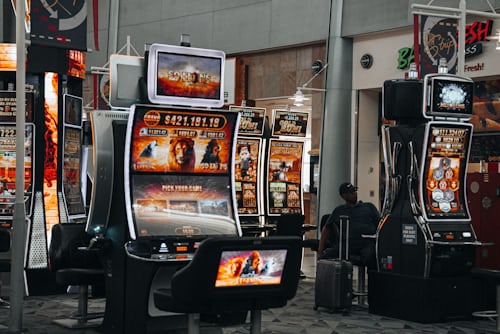
Conclusion: The Cultural Landscape of Gambling Today
Today, the cultural landscape of gambling is more diverse than ever, influenced by historical contexts, regional practices, technology, and social implications. Understanding these factors is essential for researchers, policymakers, and stakeholders in the gambling industry. Awareness of cultural influences can guide more responsible gambling practices and policies, ensuring that they resonate with societal values.
As gambling continues to evolve, ongoing research is necessary to examine how cultural attitudes may shift over time. This evolution may be influenced by changing technology, globalization, and shifts in societal norms. In this context, a comprehensive understanding of cultural influences will play a critical role in shaping the future of gambling behavior worldwide.
Recent Activity
-
Exploring the impact of cultural beliefs...
May 07, 2026 in Public -
Древний замок хранит Ñ...
May 07, 2026 in Public -
Dynamische Gokervaringen en het Verleide...
May 07, 2026 in Public

Testimonials
Here’s what our wonderful Divas have to say about us.

Excellent service with a smile. I wouldn’t go anywhere else in Doha. Thank you ladies.
Nice set up, lighting and music. Will definitely come back again.
Excellent services; melted all the stress.
The staff make Diva Lounge one of the best spa’s in Doha!! Thank you.
Diva Lounge you are the best than the rest. All the best. I will always come here. Thank you.
Beautiful spa with great therapists and the best hairstylist in town.
Gorgeous treatments, very relaxing and wonderful ladies at Diva.
A very nice environment with great people. Amazing relaxing moments! Will come again. Thank you very much for your kindness.
Leave A Comment